Bahrain will not participate in Monday’s meeting between Iran and Gulf states in Oman on the situation surrounding the Strait of Hormuz, adding uncertainty to negotiations that Tehran has already indicated are unlikely to produce a formal agreement.
Bahrain’s Foreign Ministry said on Saturday that the country would not join any collective meeting involving Iran until diplomatic relations between the two countries are restored.
Bahrain severed ties with Iran in 2016, following Saudi Arabia’s move to cut diplomatic relations with Tehran. While Riyadh restored relations with Iran in 2023, Manama has yet to resume diplomatic ties.
Citing attacks on infrastructure across the Gulf, Bahrain’s Foreign Ministry said regional security and stability could not be maintained through a policy of appeasement. It also called for the Strait of Hormuz to remain open without discrimination, fees or permits.
Meanwhile, a senior Iranian official said Monday’s meeting would provide an opportunity to discuss issues including the Strait of Hormuz, but was unlikely to result in a signed agreement.
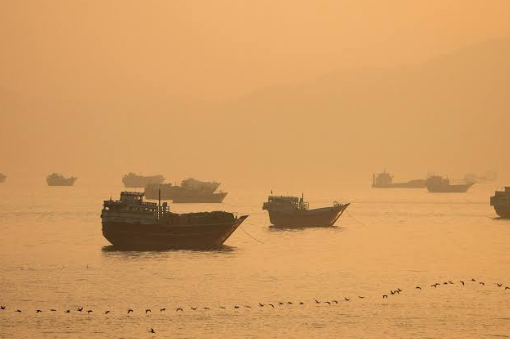
Iran has been holding negotiations with Oman for months over arrangements governing shipping through the strategic waterway, parts of which fall within Omani territorial waters. Oman has said the talks have the backing of other Gulf Arab states.
Iranian officials have maintained that any agreement should recognise Tehran’s authority to impose fees on vessels using the passage, a demand rejected by Oman.
Iran has sought to formalise its control over the waterway and has maintained a blockade during the ongoing Middle East conflict, which began after US and Israeli attacks on Iran in late February. Before the conflict, around one-fifth of the world’s oil supplies passed through the Strait of Hormuz.
Meanwhile, Iranian President Masoud Pezeshkian held several high-level meetings on the sidelines of the BRICS summit in New Delhi, including the first contact between Tehran and Abu Dhabi since the start of the Middle East conflict.
Pezeshkian met Abu Dhabi Crown Prince Sheikh Khaled bin Mohamed bin Zayed Al Nahyan on Saturday. The two leaders discussed regional and international developments, de-escalation, stability and efforts to promote peace and development in the region, according to Abu Dhabi’s media office.
Pezeshkian also met Malaysian Prime Minister Anwar Ibrahim on the sidelines of the summit.
During the meeting, the Iranian president said the Middle East did not need the United States to act as a “regional policeman”.
“We do not need a regional policeman,” Pezeshkian said, according to the Iranian presidency. He added that the region’s territorial integrity and security could only be guaranteed by its own countries and principal regional actors.