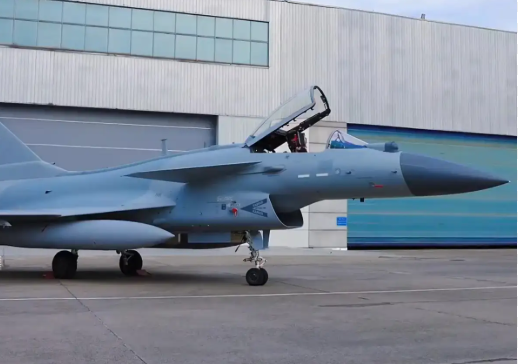
The Chengdu J-10C is a Chinese single-engine, multirole fighter aircraft capable of reaching speeds of up to Mach 1.8 and carrying a range of air-to-air and air-to-ground weapons. The aircraft was prominently used by Pakistan during last year’s conflict with India.
Bangladesh is moving closer to acquiring the Chinese-made fighter jets after a draft procurement proposal was submitted to its finance ministry and Armed Forces Division for final approval, according to South China Morning Post, citing the Bangladesh Press Information Department (PID).
Bangladesh’s Information and Broadcasting Adviser to the Prime Minister Zahedur Rahman said the proposed purchase was part of a broader defence procurement plan that also includes Chinese attack helicopters, VIP transport helicopters and drones.
According to the PID, the procurement will be carried out during the current fiscal year if the required funds are allocated. Otherwise, it will be incorporated into the next budget cycle.
Rahman said Bangladesh had closely observed Pakistan’s use of J-10 fighters and PL-15 long-range air-to-air missiles during last year’s conflict with India, according to SCMP.
Earlier this year, Pakistan and Bangladesh also discussed the potential procurement of Pakistan’s JF-17 Thunder fighter aircraft.
According to Inter-Services Public Relations (ISPR), Bangladesh Air Force Chief Air Chief Marshal Hasan Mahmood Khan held detailed discussions with Pakistan Air Force Chief Air Chief Marshal Zaheer Ahmed Babar Sidhu in Islamabad in January.
The meeting focused on strengthening operational cooperation, training, capacity building and collaboration in aerospace development.
A day later, the Bangladeshi air chief held separate meetings with Chief of Defence Forces and Chief of Army Staff Field Marshal Asim Munir and Chief of Naval Staff Admiral Naveed Ashraf to discuss ways to enhance defence cooperation between the two countries.
Pakistan’s J-10C fighters and PL-15 missiles featured prominently during its military confrontation with India last year, which followed the April 22 Pahalgam attack.
The escalation culminated in Pakistan’s Operation Bunyanum Marsoos, with a ceasefire reached on May 10 after several days of missile and military exchanges between the two nuclear-armed neighbours.
The confrontation heightened international concerns over the risk of further escalation in South Asia.