
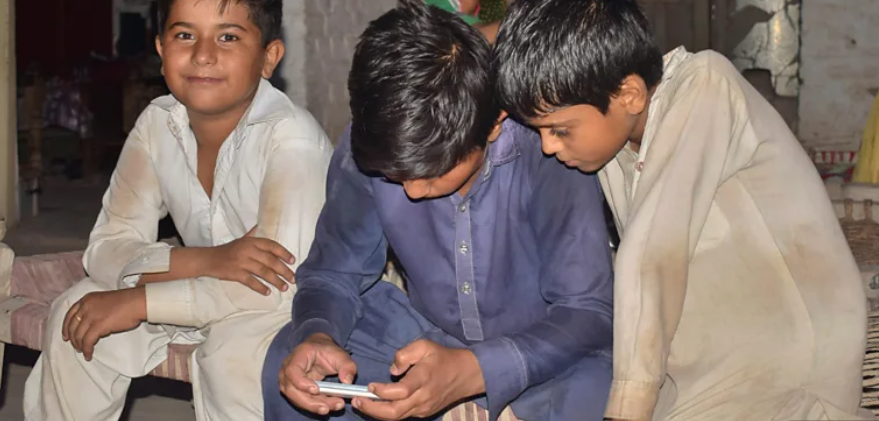
A recent Kaspersky survey covering the Middle East, Türkiye and Africa, including Pakistan, found YouTube to be the most popular mobile application among children surveyed in the country, followed by Instagram and WhatsApp.
However, increased use of online platforms has also exposed children to a range of digital risks. Multiplayer games and communication platforms can bring young users into contact with strangers, potentially exposing them to grooming, fraud, blackmail and other forms of abuse.
The growing use of generative artificial intelligence has added another layer of concern. Images and videos shared online can be manipulated into realistic fake content, which may then be used for cyberbullying, harassment or other forms of abuse.
While the survey does not represent all children in Pakistan, it highlights growing concerns about online safety and the ability of existing regulatory mechanisms to address them.
The Pakistan Telecommunication Authority (PTA) has told the Islamabad High Court that it lacks the legal authority to introduce mandatory age verification or prevent children under 16 from accessing social media platforms.
The issue has raised broader questions about how Pakistan should protect children online while ensuring that any regulatory measures are practical and legally enforceable.
The PTA has also pointed out that major digital platforms rely on HTTPS encryption, which can make it difficult for regulators to block individual harmful posts or pages without potentially restricting access to an entire platform.
Meanwhile, amendments to the Prevention of Electronic Crimes Act (PECA) in 2025 provide for the establishment of a Social Media Protection and Regulatory Authority. The proposed framework has raised questions about which institution will ultimately oversee online safety and what regulatory powers it will possess.
Experts and policymakers face growing pressure to develop measures that go beyond blocking websites or applications. Social media companies could be required to strengthen protections for children’s accounts, provide accessible reporting mechanisms and respond promptly to cases involving grooming, manipulated content and abuse.
Any age-verification mechanism would also need to safeguard children’s privacy and personal information.
Schools can play a role by teaching students how to identify online threats and protect their personal information, while parents can help by maintaining open communication with children about interactions with strangers and inappropriate or concerning online conversations.
Ensuring children’s online safety is likely to require coordinated efforts involving lawmakers, regulators, technology companies, schools and parents rather than relying on a single ban or parental-control measure.