The Human Rights Commission of Pakistan (HRCP) has raised concerns over the use of excessive force, restrictions on civic freedoms and the broader political environment surrounding recent unrest and elections in Azad Jammu and Kashmir (AJK).
In its fact-finding report, Civic Spaces under Strain in Azad Jammu and Kashmir, a copy of which is available with Dawn, the HRCP said the dispute over the implementation of a 2025 agreement with the Jammu Kashmir Joint Awami Action Committee (JAAC), along with controversy surrounding 12 seats reserved for Kashmiri refugees in Pakistan, had emerged as key drivers of political confrontation.
According to the report, talks between the government and JAAC broke down on May 30. The government subsequently proscribed the organisation on June 5 under the AJK Anti-Terrorism Act 2014 and imposed restrictions on movement and communications, including a prolonged suspension of mobile internet services.
The resulting unrest coincided with the AJK Legislative Assembly elections, which were conducted in phases due to security concerns.
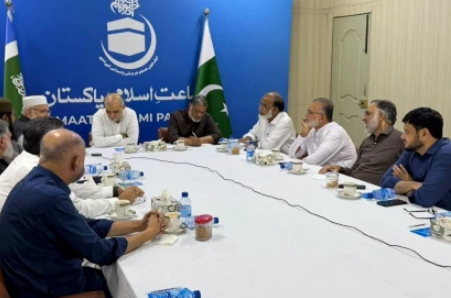
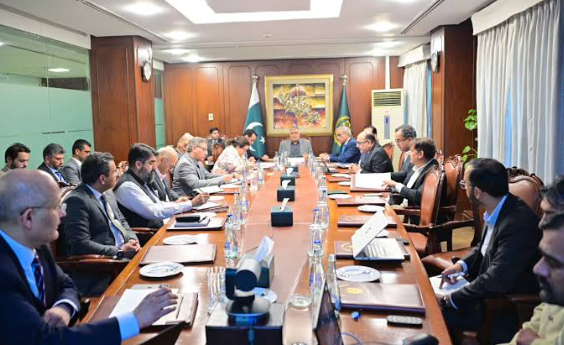
The HRCP mission conducted its fact-finding and election observation from August 8 to 10, following a stakeholder consultation in Islamabad on July 31. The mission said it received conflicting accounts regarding the extent of violence, JAAC’s methods and the conduct of security forces.
However, it found broad agreement among political and community stakeholders, including critics of JAAC, that the dispute should have been addressed through political dialogue rather than coercive measures.
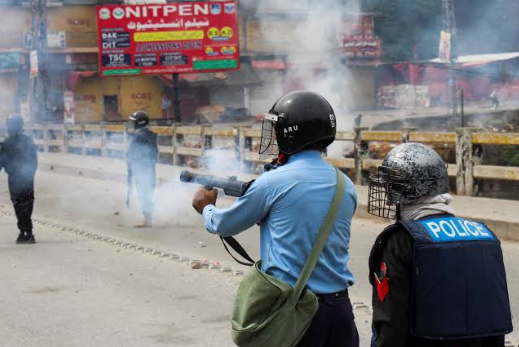
The commission expressed particular concern over allegations of lethal and excessive force against protesters. It noted that the AJK police chief had reported around 38 security personnel killed and 742 injured since June. At the same time, the HRCP said it received accounts from several families alleging that protesters had been killed or seriously injured by security forces.
The commission said it could not independently verify the full extent or circumstances of civilian casualties, particularly as its mission was unable to visit Rawalakot, one of the main centres of violence.
It called for an independent and impartial investigation into all deaths and serious injuries reported since June, including an assessment of whether the use of force was lawful, necessary and proportionate.
The HRCP also criticised the use of anti-terrorism and preventive-detention provisions against political activists.
It said at least 147 JAAC activists were initially placed on the Fourth Schedule, while notifications issued between June and August reportedly increased the number of political workers, journalists, residents and activists listed under anti-terrorism legislation to at least 157.
The commission urged authorities to ensure due process for all individuals arrested in connection with the protests, including their timely production before courts, access to legal counsel and disclosure of the grounds for their arrest.
It also called for an independent review of cases against protesters, activists, journalists and political workers, with cases withdrawn where individuals had been detained or prosecuted solely for peaceful political activity or lawful assembly.
The HRCP expressed concern over restrictions on journalism and access to information, saying journalists faced arrests, legal proceedings, restrictions on access to affected areas and additional security requirements.
The prolonged communications shutdown, it said, further hampered independent reporting and made it difficult to verify claims regarding deaths, injuries, arrests and alleged electoral irregularities.
Journalists also reported pressure from both state authorities and JAAC supporters, according to the report, creating a challenging environment for independent reporting during the unrest and elections.
The communications blackout affected more than political activity, the mission said, disrupting banking, education, commerce, transport, public administration and healthcare.
On the elections, the HRCP distinguished between a political boycott and the physical obstruction of voters.
At polling stations visited by the mission in Bagh, it found limited evidence of systematic physical coercion by JAAC supporters. In some areas, exceptionally low turnout appeared to reflect voluntary boycott, political disillusionment, fear and the wider security and communications environment rather than voters being physically prevented from voting.
However, the HRCP said the heavy deployment of security personnel, prolonged communications restrictions, boycott by major political actors, phased polling and postponement of seven constituencies raised broader questions about the credibility of the electoral process.
The commission stressed that the credibility of elections could not be assessed solely on the basis of events inside polling stations. It said the wider environment in which voters, candidates, political parties, journalists and civil society exercised their rights also needed to be considered.
The mission observed orderly voting at the polling stations it visited in Bagh. At some other stations, polling staff reported exceptionally low turnout and said voters had neither been threatened nor prevented from voting, attributing the low participation to a voluntary boycott.
The HRCP also highlighted particularly low participation among women. Respondents linked their reluctance to vote partly to the prevailing climate of insecurity.
It said allegations concerning violence against women and the inclusion of women protesters on the Fourth Schedule required independent verification, but warned that the unrest may have created fear that affected women’s participation in the electoral process.
The report concluded that the 2026 electoral process took place against a backdrop of unresolved political grievances, insecurity, communications restrictions and significant limitations on independent observation.
However, the HRCP stopped short of concluding that the elections had been systematically manipulated or that voters had been systematically prevented from participating.