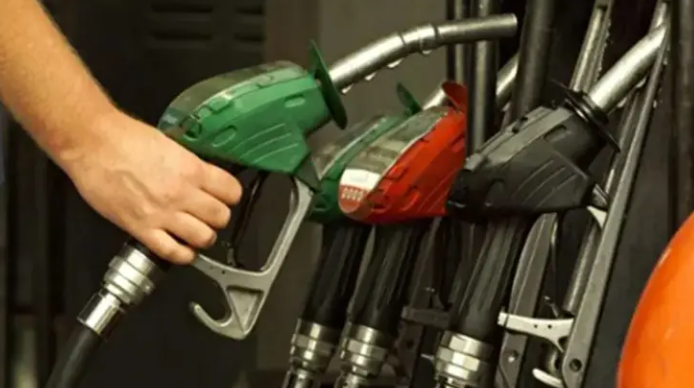
The government has increased the price of petrol by Rs1.54 per litre and high-speed diesel (HSD) by Rs2.16 per litre, bringing their new rates to Rs379.25 and Rs395.82, respectively.
According to a notification issued by the Petroleum Division, the revised prices took effect on Tuesday, October 27. The government continues to impose taxes and duties of Rs114 per litre on petrol and Rs100 per litre on diesel.
Earlier, the Pakistan Petroleum Dealers Association urged consumers to avoid panic buying, warning that excessive purchases could disrupt the fuel market.
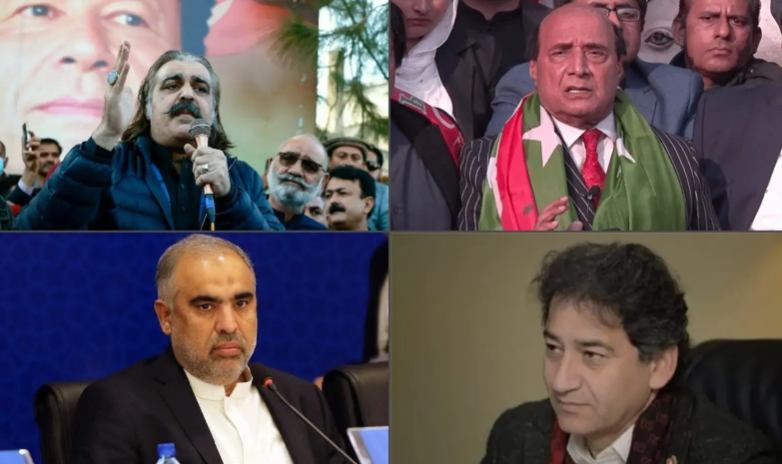
Fuel availability also came under discussion in the Senate, where lawmakers expressed concerns about possible supply shortages. Minister of State for Finance and Revenue Bilal Azhar Kayani, however, maintained that there were no issues with fuel supplies.
Pakistan Peoples Party Senator Sherry Rehman questioned whether petrol would remain available in December, while Opposition Leader Raja Nasir Abbas warned of a potentially difficult situation amid escalating tensions in the Middle East.
Despite the latest increase, diesel prices remain below their record high of Rs520.35 per litre, reached on April 3. The price had climbed from Rs281 per litre following the outbreak of the US-Iran conflict on February 28.
Petrol prices also peaked at Rs458.41 per litre on April 3, after rising from Rs266 per litre in the first week of March.
Amid rising fuel costs and continuing tensions in the Middle East, the government has reinstated several austerity measures aimed at conserving fuel and reducing expenditure.
Under the measures, markets are required to close by 9pm, while fuel allocations for official vehicles have been reduced by 50 per cent for three months.
On September 13, Prime Minister Shehbaz Sharif announced a relief scheme for motorcycle users, auto-rickshaw operators and owners of vehicles with engine capacities of up to 800cc to ease the impact of rising international oil prices.
Earlier, on July 17, Petroleum Minister Ali Pervaiz Malik announced that fuel prices would be determined daily in response to fluctuations in international markets following renewed hostilities between Iran and the United States.
Before that decision, the government had been revising petroleum prices weekly since early March while introducing fuel conservation measures amid concerns over potential disruptions to oil supplies from the Middle East. Targeted fuel subsidies were also announced in April to provide relief to selected consumers.
The petroleum minister said the federal cabinet and prime minister had assigned the Oil and Gas Regulatory Authority (Ogra) responsibility for determining daily fuel prices in line with international market trends.
Petrol is primarily used by private motorists, small-car owners, motorcycle riders and rickshaw operators. Changes in its price therefore have a direct impact on middle- and lower-middle-income households.
Diesel price fluctuations also affect the wider economy because high-speed diesel is extensively used by heavy transport vehicles, power plants and large generators. Higher fuel costs can increase transportation and production expenses, potentially putting additional pressure on consumers.
Petrol and high-speed diesel remain the country’s largest petroleum revenue generators, with combined monthly sales of approximately 700,000 to 800,000 tonnes. In comparison, monthly demand for kerosene stands at around 10,000 tonnes.