Iran has warned that US energy interests and infrastructure across the Gulf could face retaliation if Washington launches further attacks on Iranian assets, amid renewed clashes between the two countries and growing tensions around the Strait of Hormuz.
“Strike our assets and you get struck,” Iranian Parliament Speaker Mohammad Baqer Qalibaf said after US and Iranian forces exchanged strikes on shipping over the weekend, pushing oil prices to near six-week highs.
The warning came as tensions intensified following renewed military exchanges, with diplomatic efforts showing little progress towards ending the conflict and restoring normal energy flows through the Gulf.
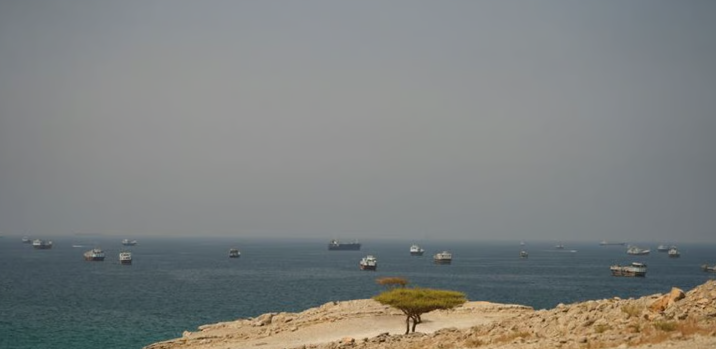
Iran has tightened restrictions on shipping through the Strait of Hormuz, a key route for global oil and gas supplies, since the conflict began with US and Israeli strikes on Iran on February 28.
Senior Iranian security official Mohsen Rezaei said Tehran would soon establish a new restricted zone in the Gulf and approve a new shipping corridor through the Strait of Hormuz. He said the proposed zone would begin where a US naval blockade of Iran starts and extend into parts of the Gulf, with vessels entering the area potentially placed on an Iranian sanctions list.
Rezaei said Iran would only commit to keeping the Strait of Hormuz open if the United States stopped what Tehran described as sabotage, threats and attacks against Iran.
Qalibaf later reinforced the warning in an apparent response to US Defence Secretary Pete Hegseth, who had described Iran’s oil tanker fleet as vulnerable. The Iranian parliament speaker said US oil and gas companies operating across the Gulf were also exposed to potential retaliation.
US President Donald Trump has said his military campaign against Iran aims to end its nuclear programme, restrict its ability to attack neighbouring countries and create conditions for political change in Tehran. Iran’s leadership, however, remains in power and continues to seek sanctions relief.
Tehran has also sought to maintain leverage over the Strait of Hormuz, through which about a fifth of global oil and liquefied natural gas shipments passed before the conflict.
After a relative lull during much of August, hostilities intensified following the collapse of an interim ceasefire reached in June. Diplomatic efforts have made little progress.
US forces struck three Iranian oil tankers on Saturday, including one near Kharg Island, Iran’s main oil export hub, according to US Central Command. The strikes followed attacks by Iran’s Revolutionary Guards on US warships in the region.
Iran has demonstrated its ability to target US interests in neighbouring countries and disrupt shipping through the Strait of Hormuz. Shipping data showed an average of around 10 commodity vessels a day transited the waterway over the 10 days preceding Monday, the lowest level since May.
Iran’s Foreign Ministry also warned South Korea against deploying troops or participating in US-led operations in the Strait of Hormuz, saying such involvement could have “serious consequences”.
Seoul said last week that it was considering contributing to US security efforts aimed at protecting shipping through the strategic waterway, although no decision had been taken. South Korea said any contribution would depend on ensuring that its own military readiness was not compromised.
Iranian Foreign Ministry spokesman Esmaeil Baqaei accused Seoul of coming under US pressure and warned that military involvement by other countries in the Persian Gulf or Strait of Hormuz would be viewed by Tehran as direct support for the party responsible for the aggression.
Iran and the United States have continued to exchange fire around the Strait of Hormuz despite an April ceasefire that ended the initial phase of intense bombardment.
The strategic waterway normally handles around a fifth of global oil and liquefied natural gas exports. Since the conflict began, shipping through the strait has fallen sharply, disrupting global energy markets.
Iran has required vessels to seek permission before transiting the waterway, a measure opposed by Washington and several regional countries. Tehran has said it will not restore the pre-war system of unrestricted navigation unless its demands are addressed.