Newly elected Azad Jammu and Kashmir (AJK) Prime Minister Faisal Mumtaz Gillani has assumed office amid a series of political and administrative challenges, with the Legislative Assembly still incomplete.
Seven seats from the Poonch and Sudhnoti districts remain vacant due to the law-and-order situation in the areas. In his maiden speech, Mr Gillani acknowledged the issue and expressed hope that the remaining electoral process would be completed soon.
He outlined an ambitious agenda that includes creating employment opportunities, particularly for young people, ensuring merit-based recruitment, improving transparency and curbing corruption. His priorities also include strengthening education and healthcare, digitising the economy and establishing an online portal to address public grievances.
However, the new prime minister is expected to face close scrutiny, including from within his own Pakistan Muslim League-Nawaz (PML-N).
The recent AJK general elections were overshadowed by allegations of electoral irregularities and rigging. Several political figures, including a key PML-N ally at the federal level, raised objections over the conduct of the polls. The AJK Election Commission’s decision to announce results after each phase of voting also triggered questions over electoral transparency.
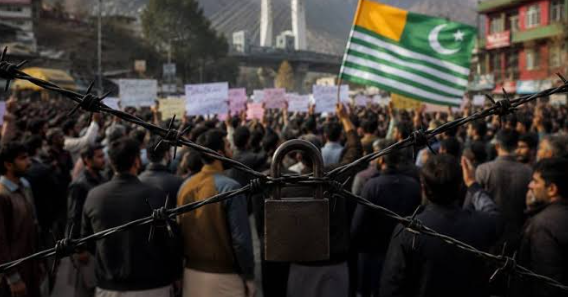
The elections were further disrupted by large-scale and, at times, violent protests, with several issues surrounding the unrest yet to be conclusively resolved.
Mr Gillani’s selection as prime minister also faced opposition within the PML-N’s AJK chapter. Senior party figures, including AJK PML-N president Shah Ghulam Qadir and former prime minister Raja Farooq Haider, had publicly opposed his nomination.
Mr Qadir was initially considered a leading contender for the post, but the party’s central leadership ultimately backed Mr Gillani.
His critics have also highlighted his defeat in the Muzaffarabad-III constituency during the general elections. He subsequently entered the AJK Legislative Assembly through a reserved technocrat seat, a development critics said appeared inconsistent with the PML-N’s stated emphasis on respecting the electorate’s mandate.
The party leadership, however, appears to have opted for a younger leadership in AJK over the established political figures.
Mr Gillani now faces the task of consolidating his government, addressing internal party differences and engaging with groups that opposed or boycotted the electoral process.
Restoring political stability and public confidence is likely to be among the most sensitive challenges confronting his administration.
Mr Gillani has been active in AJK politics since at least 2010 and has previously served as a member of the AJK cabinet. His performance as prime minister will determine whether that experience proves sufficient to navigate the challenges facing the region.