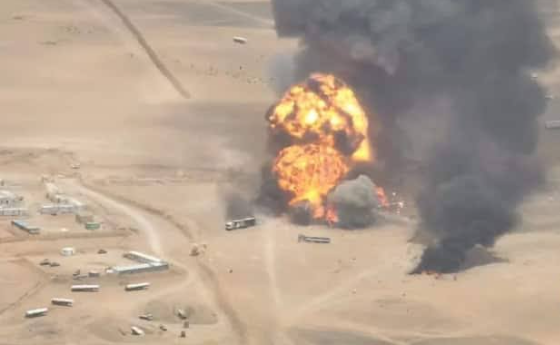
Pakistan has warned that renewed Houthi attacks against Saudi Arabia and escalating fighting along Yemen’s Red Sea coast have pushed the conflict into an “extremely dangerous juncture.”
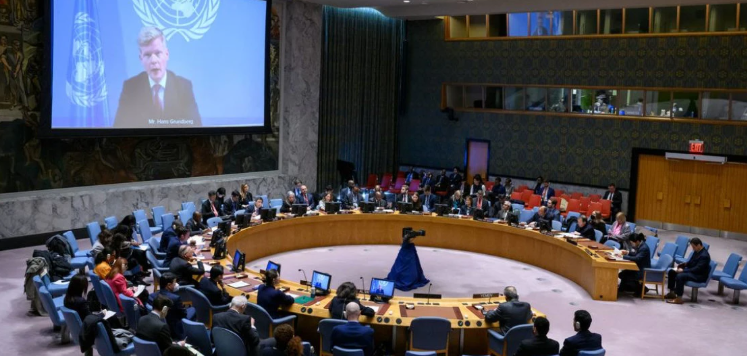
Speaking at an emergency meeting of the UN Security Council, Pakistan’s Permanent Representative to the UN, Asim Iftikhar Ahmad, condemned the attacks and expressed concern over the expansion of violence in and around the Bab al-Mandab Strait.
Ahmad said the developments represented a serious escalation and reaffirmed Pakistan’s support for Saudi Arabia’s sovereignty, territorial integrity, security and prosperity.
He said Pakistan supported Saudi Arabia’s right, under the UN Charter and international law, to take necessary measures to defend its territory, protect its citizens and safeguard national assets.
The Pakistani envoy also warned that continued violations of international law involving commercial shipping could threaten freedom of navigation and international maritime trade.
He said any disruption or militarisation of vital waterways could have consequences for global trade, commercial shipping, supply chains and energy security.
Ahmad noted that relative calm maintained in Yemen since 2022 had deteriorated, warning that further escalation could reignite a broader conflict and draw Yemen deeper into wider regional tensions.
He called for an urgent diplomatic response and reiterated Pakistan’s support for an inclusive, Yemeni-led and Yemeni-owned political process under UN auspices. Pakistan has previously called for de-escalation, dialogue and a comprehensive political settlement in Yemen.
China also called for restraint and a return to negotiations, while stressing the importance of protecting freedom of navigation in the Red Sea.
Chinese representative Sun Lei said ensuring safe navigation required an end to armed conflict and a durable peace. He urged all sides to exercise restraint and return to negotiations, while calling for greater involvement of Gulf countries in mediation efforts and discussions on a new regional security framework.
The United States called on the Houthis to halt their military advances, withdraw from seized territory and end attacks. US representative Jennifer Locetta also urged Iran to stop supporting the group, accusing Tehran of providing weapons, funding and direction.
She said freedom of navigation was essential to the global economy and that the United States was working with partners to protect it.
Saudi Arabia told the Security Council that the Houthi escalation posed risks to Yemen, regional security, international trade and global supply chains.
Saudi representative Abdulaziz M. Alwasil cited attacks on several Saudi cities that injured civilians, as well as renewed attacks reported on September 14 and continued targeting of commercial vessels in the Red Sea.
He accused the Houthis and allied militias of pursuing a policy aimed at restricting access to key waterways and said protecting vital maritime routes was a collective international responsibility.
Alwasil said Saudi Arabia remained committed to de-escalation and peace while maintaining its right to defend its territory and citizens.
Yemen said the Houthi advance towards Bab al-Mandab had transformed the conflict into an increasingly serious regional and international security issue.
Yemeni representative Abdullah Ali Fadhel Al-Saadi said government forces were reorganising along the western coast to regain the initiative and prevent the Houthis from using the area to threaten international shipping.
He also warned about the potential links between instability around the Red Sea, militant groups and trafficking networks in the Horn of Africa.
Al-Saadi called on the Security Council to enforce the arms embargo, disrupt weapons, financing and smuggling networks, support the Yemeni government in restoring control over its territory and coastline, and respond to growing humanitarian needs.
Liberia, speaking on behalf of the three African members of the Security Council — the Democratic Republic of the Congo, Somalia and Liberia — warned that further territorial changes along Yemen’s coast could increase tensions and threaten international navigation.
Liberian diplomat Lewis Garseedah Brown II said there was no military solution to the conflict and cautioned against Yemen becoming an arena for proxy warfare.
He also highlighted the economic implications for African countries, saying disruptions to Red Sea shipping and higher freight and insurance costs could increase the prices of imported grain, fuel and fertiliser.
Bahrain also condemned the Houthi escalation and attacks against Saudi Arabia, saying renewed fighting had worsened Yemen’s humanitarian situation and forced civilians to flee their homes.