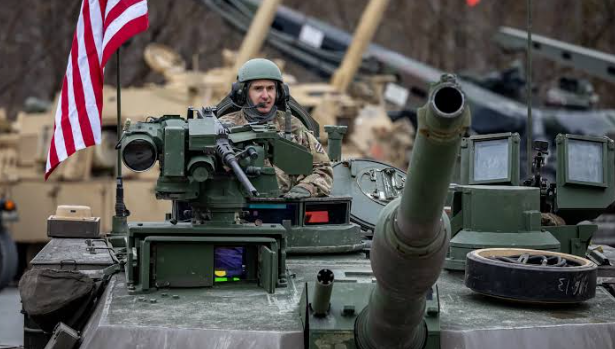
The proposed drawdown could be even larger, with as many as 40,000 US troops potentially withdrawn, according to a report citing current and former US and Western officials familiar with the discussions. Around 80,000 US troops are currently stationed across Europe.
No final decision has been made on the potential reductions, the report said.
Germany, Italy and Spain, which host some of the largest US military deployments in Europe, are among the countries that could be affected.
The options are being considered as part of a six-month Pentagon review of the US military presence in Europe. Gen. Alexus Grynkewich, head of US European Command and NATO’s Supreme Allied Commander, is expected to present an initial assessment to Defence Secretary Pete Hegseth on Friday.
The review is expected to consider several options involving air, naval and ground forces, including the possible repositioning of some US troops towards NATO’s eastern flank.
Hegseth is expected to receive a final recommendation on Nov. 6 before any proposal is submitted to President Donald Trump, according to the report.
The Trump administration has repeatedly argued that European allies should take greater responsibility for their conventional defence while the United States allocates more military resources to other regions.
The potential troop reductions have raised concerns among some US lawmakers and European governments, who have warned that a rapid withdrawal could affect NATO’s ability to deter Russia.
The report also said the State Department and Pentagon have disagreed over aspects of the review process.
Secretary of State Marco Rubio reportedly intervened in June after the Pentagon prepared to brief NATO defence ministers on possible large-scale troop reductions.
The development comes as senators have separately urged Rubio to ensure that the State Department and US diplomats are fully involved in the ongoing review of the US military posture in Europe.