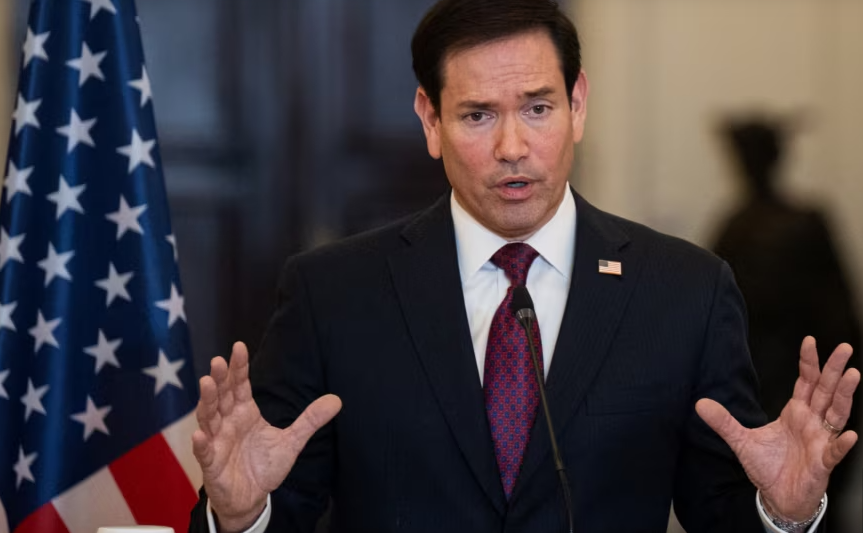
US Secretary of State Marco Rubio is visiting Uzbekistan to strengthen Washington’s engagement with Central Asia, meeting representatives of the C5+1 partnership, which includes the United States and five Muslim-majority former Soviet republics: Uzbekistan, Kazakhstan, Kyrgyzstan, Tajikistan and Turkmenistan.
US officials have increasingly highlighted the strategic importance of resource-rich Central Asia, situated between China, Russia and Iran, arguing that the region deserves greater attention from Washington than it received under previous administrations.
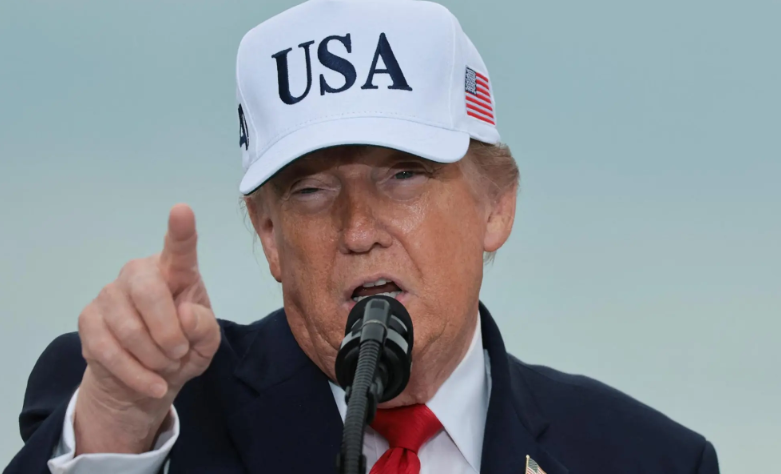
US President Donald Trump hosted leaders from the five Central Asian countries at the White House last November, during which Kazakhstan reportedly agreed to join the Abraham Accords. Trump had also met Uzbek President Shavkat Mirziyoyev on the sidelines of the United Nations General Assembly.
Rubio’s visit reflects the administration’s broader effort to strengthen relations with regions that have often received less international attention. His travel schedule has increasingly focused on areas outside the main diplomatic flashpoints, while other senior administration figures have taken leading roles in some of Washington’s most sensitive foreign policy initiatives.
Special envoys Steve Witkoff and Jared Kushner, along with Vice President J.D. Vance, have handled several high-profile diplomatic engagements.
Rubio, for instance, has not visited Kyiv or Moscow since taking office as secretary of state. He was also absent from talks between US and Ukrainian officials in Florida earlier this month, where Washington reportedly urged Kyiv to halt attacks on Russian oil refineries. In April, Vance represented the United States in Pakistan during negotiations aimed at easing tensions with Iran.
Officials in the Trump administration have generally rejected the argument that senior cabinet members should concentrate their foreign travel exclusively on major geopolitical centres or active conflict zones.
Alongside efforts to expand economic and diplomatic cooperation, Washington’s approach to Central Asia faces challenges linked to the region’s longstanding connections with Russia.
A Central Asian diplomat, speaking anonymously, said regional officials were seeking clarity on whether the United States would continue prioritising efforts to prevent Russia from circumventing Western sanctions.
Although all five Central Asian countries have been developing closer ties with Washington, they maintain deep historical, political and economic connections with Moscow.
Western officials have also raised concerns that the region has served as a channel for Russian imports and exports that violate sanctions imposed by the United States and the European Union.
Rubio’s visit is therefore taking place against a complex geopolitical backdrop, as Washington seeks to expand its influence in Central Asia while navigating the region’s close relationships with Russia and other major powers.