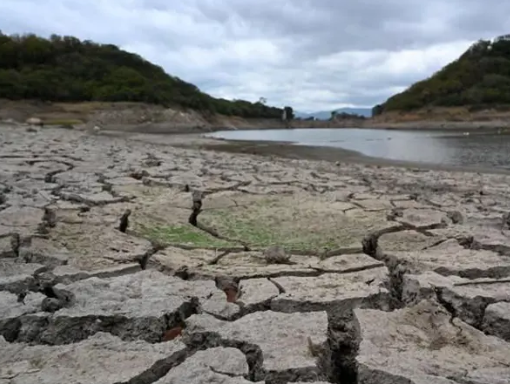
Global climate experts have warned that an exceptionally strong El Niño event could make 2026 the hottest year on record, with forecasts suggesting the phenomenon may intensify further before reaching its expected peak later this year.
El Niño is a natural climate phenomenon that causes temporary warming of sea surface temperatures in the tropical Pacific Ocean. It can disrupt global weather patterns, increase the risk of droughts and floods, and intensify the effects of human-induced climate change.
According to the European Union’s Copernicus Climate Change Service, sea surface temperatures in the Pacific’s Niño 3.4 monitoring region reached a record 29.70 degrees Celsius last month. The reading surpassed peak temperatures recorded during previous major El Niño events in 1982–83, 1997–98 and 2015–16.
Copernicus Director Carlo Buontempo described the current event as exceptional but cautioned that it was too early to determine whether it would become the strongest El Niño on record.
He noted that rising ocean temperatures caused by climate change complicate comparisons between current and historical events, as the oceans are now significantly warmer than in previous decades.
Copernicus has introduced a revised index that accounts for the long-term warming of tropical oceans. Under this measure, the current El Niño has not yet surpassed previous events in strength, although it remains a major climate phenomenon.
Japan’s weather agency, meanwhile, reported on Friday that El Niño conditions had reached their strongest intensity on record, highlighting differences in the methods used by forecasting agencies to assess the phenomenon.
As El Niño continues to develop, global average sea surface temperatures reached 21.05 degrees Celsius in September, setting a new record for the month and exceeding the previous September high of 20.92 degrees Celsius recorded in 2023, according to Copernicus.
Scientists have warned that the combination of El Niño and human-driven global warming could push global temperatures to unprecedented levels in 2027. The phenomenon can release heat stored in the Pacific Ocean into the atmosphere, raising global temperatures and often contributing to hotter conditions in the year following its peak.
El Niño typically occurs every two to seven years and lasts approximately nine to 12 months, although its intensity and effects vary from one episode to another.
Buontempo said 2026 could also break temperature records as the current event strengthens.
“If previous patterns continue, the world could experience record-breaking temperatures in both 2026 and 2027,” he indicated.
The warning follows an exceptionally warm August and a September that ranked as the second-hottest on record globally. Copernicus reported that average global surface air temperatures reached 16.27 degrees Celsius during September, underscoring the continued rise in global temperatures.