The United Nations has urged governments and international organisations to take immediate preventive measures against the potentially severe effects of El Niño, warning that its impact on temperatures, flooding and drought could extend well into 2027 and beyond.
The climate phenomenon is expected to reach its peak in December, but its consequences could continue for months or years, putting millions of vulnerable people at risk.
The UN has called for coordinated international efforts to protect at-risk communities before extreme weather conditions trigger humanitarian emergencies.
“The current El Niño event could be unprecedented in strength: literally off the monitoring charts that we have used for the past four decades,” said Celeste Saulo, head of the World Meteorological Organisation (WMO).
Speaking at a press conference in Geneva alongside UN humanitarian chief Tom Fletcher, Saulo warned that extreme weather events were already occurring and could become more frequent and severe as the phenomenon intensified.
The two officials called for urgent, coordinated anticipatory action to safeguard vulnerable populations already struggling with multiple crises.
“We cannot stop El Niño, but we can prevent many of its worst human consequences,” Saulo said.
Fletcher described El Niño as a “wrecking ball”, warning that it could cause widespread disruption across Latin America, eastern and southern Africa, Asia and the Pacific.
He said the consequences could persist for months or potentially years, particularly as climate-related disasters compound existing humanitarian emergencies.
Fletcher pointed to ongoing conflicts, displacement, rising fuel, fertiliser and food prices, and substantial reductions in international aid as factors that could worsen the crisis.
He warned that tens of millions of people could be pushed into humanitarian need, with approximately 50 million facing an increased risk of hunger.
According to Fletcher, the next two weeks represented a critical period for preventive action.
He said Somalia, Ethiopia and Kenya needed supplies ahead of anticipated heavy rainfall, while countries in southern Africa required seeds and livestock support. Central American communities needed assistance to protect their livelihoods, and countries across Asia and the Pacific had to prepare for potential droughts, floods and cyclones.
Fletcher cautioned that the consequences would not be confined to the countries most directly affected by extreme weather.
He said the phenomenon could trigger economic shocks worldwide and contribute to further conflict, displacement and migration.
Warning that the humanitarian system could not manage a crisis of this scale on its own, he urged governments, development banks and international financial institutions to release funding before disasters caused widespread damage.
Fletcher said he had allocated $50 million to support 11 countries facing heightened risks, including Chad, El Salvador, Ethiopia, Somalia and South Sudan.
El Niño is a naturally occurring climate phenomenon characterised by warmer-than-usual surface waters in the central and eastern equatorial Pacific Ocean. It alters global wind circulation, atmospheric pressure and rainfall patterns, influencing weather conditions across many regions.
The phenomenon generally occurs every two to seven years and lasts between nine and 12 months. It alternates with La Niña, which is associated with cooler Pacific Ocean surface temperatures, with neutral conditions occurring between the two phases.
Scientists expect the current El Niño to raise temperatures across much of the world, adding to the effects of human-induced climate change.
The WMO’s latest global seasonal climate update, released on Wednesday, projected that sea surface temperatures in the tropical Pacific could rise to 3.8 degrees Celsius above average between November and January.
If realised, this would exceed the previous record for a three-month period, when temperatures reached 2.6C above average during the 2015-2016 El Niño event.
Saulo warned that the anticipated warming would have extensive consequences for weather patterns worldwide.
Although El Niño typically reaches its peak between November and February, its most pronounced effects on global temperatures often emerge later.
The previous El Niño contributed to exceptionally high global temperatures, with 2023 becoming the second-hottest year on record and 2024 setting a new record.
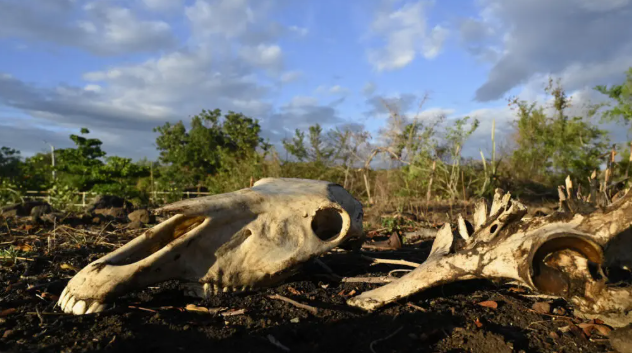
The current event is already affecting several regions. In parts of Central America, prolonged drought has reportedly caused the loss of crops and livestock, highlighting the potential consequences for food security and local livelihoods.
The UN’s warning underscores the need for early investment in disaster preparedness, food assistance and climate resilience to reduce the human and economic costs of increasingly severe weather conditions.