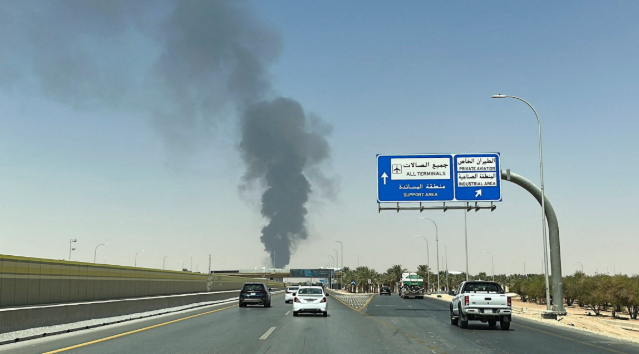
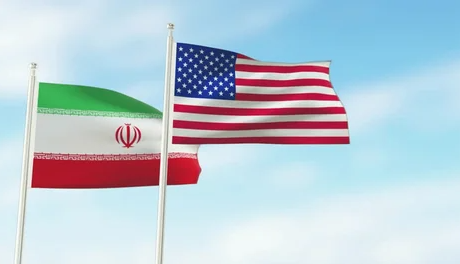
The conflict has presented significant challenges for the Trump administration, with Washington facing limited options to de-escalate tensions and withdraw its forces without further escalation.
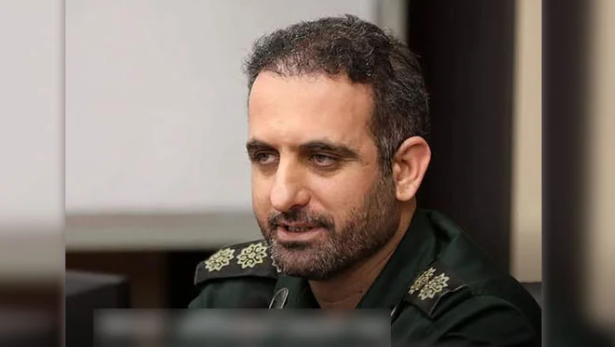
Despite the loss of senior religious, political and military figures during the opening days of the conflict, Iran, which has significantly fewer military capabilities than the United States, has continued to resist US military pressure. Conservative elements within the Iranian establishment have also shown little willingness to compromise, indicating that Tehran may be prepared for a prolonged confrontation.
Rather than moving towards de-escalation following the military campaign, the United States has intensified economic pressure on Iran and warned other countries against conducting business with the Islamic Republic.
The measures are expected to further strain Iran’s economy, which has operated under US sanctions for more than four decades. However, Iranian officials have indicated that additional economic pressure is unlikely to force Tehran to capitulate. Iranian Foreign Minister Abbas Araghchi has said that “pressure doesn’t work”.
China, one of Iran’s major trading partners and the world’s second-largest economy, has also rejected the US sanctions approach. A Chinese Foreign Ministry spokesperson said Beijing opposed “illegal, unilateral sanctions”.
The developments suggest that Washington may face difficulties in achieving its objectives through either military or economic pressure.
Against this backdrop, diplomatic engagement could provide a pathway towards reducing tensions. The nuclear issue remains a major source of disagreement between Washington and Tehran, while Iran’s restrictions on shipping through the Strait of Hormuz have emerged as another key point of contention. Tehran has linked its actions in the waterway to broader security and strategic concerns.
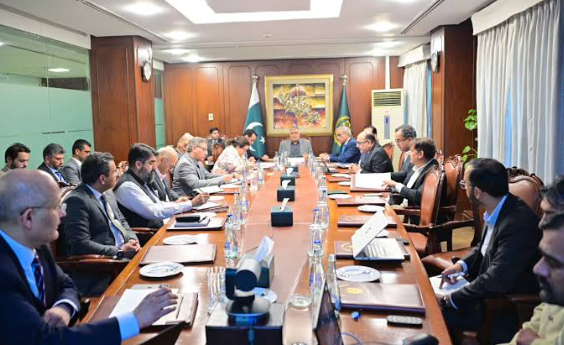
The Islamabad Memorandum of Understanding (MoU) remains a potential framework for renewed negotiations and could provide an avenue for the parties to return to dialogue.
Iranian President Masoud Pezeshkian has reiterated Tehran’s willingness to engage in dialogue. A renewed diplomatic effort by Washington could help create conditions for negotiations and prevent further escalation.
A broader regional approach could also contribute to long-term stability in the Middle East. Regional countries, including Iran and Arab states, could play a greater role in developing a mutually acceptable regional security framework.
Reducing reliance on military confrontation and allowing regional states to pursue diplomatic solutions could help address longstanding security concerns and support efforts towards lasting peace in the region.