Iran has reportedly drawn up plans to target undersea communication cables in the Gulf if hostilities with the United States resume, raising concerns over potential disruptions to internet connectivity and critical digital infrastructure across the region.
Two Iranian security officials, speaking on condition of anonymity, said the plans could be activated if diplomatic efforts with Washington collapse. However, they provided few details about the potential targets or how the attacks might be carried out.
One official warned that Iran could also seek to delay repairs following any damage to the cables, prolonging disruptions to internet and communication services. The official cautioned Washington against renewed military action, saying Tehran would no longer observe previous limits on potential targets if Iran came under attack.
Yadollah Javani, deputy head of political affairs for Iran’s Islamic Revolutionary Guard Corps (IRGC), said on Wednesday that Iran could target seven major internet cables beneath the Strait of Hormuz if Iranian infrastructure were attacked.
The Strait of Hormuz, which separates Iran and Oman, connects the Gulf with the Gulf of Oman and the Arabian Sea.
Undersea cables carry approximately 99 per cent of global internet traffic, according to the International Telecommunication Union. However, analysts say the global impact of attacks in the Strait of Hormuz could be limited because less than one per cent of international bandwidth passes through the waterway.
Alan Mauldin, research director at telecommunications research firm TeleGeography, said the consequences would depend on the availability of alternative routes and operators’ ability to redirect data traffic.
Multiple cable cuts could nevertheless slow internet services and disrupt financial transactions, e-commerce and cloud computing, particularly across countries that rely heavily on regional connections.
Experts have also warned that repairing damaged cables during a conflict could prove difficult. Higher insurance costs, security risks and delays in obtaining permission to enter territorial waters could further complicate restoration efforts.
The reported plans reflect growing indications that Iran could respond more forcefully if the United States launches another military campaign.
Senior Iranian security official Mohsen Rezaei warned earlier this month that US-linked digital infrastructure across the Gulf, including data centres and artificial intelligence facilities, could become targets in a renewed conflict.
An Iranian security official also argued that Gulf countries investing in such infrastructure should consider the consequences of US military policies for their regional investments.
Alex Vatanka, director of the Iran programme at the Middle East Institute in Washington, said the threats appeared intended to deter further conflict by raising concerns among Gulf governments and international companies about the security of their investments.
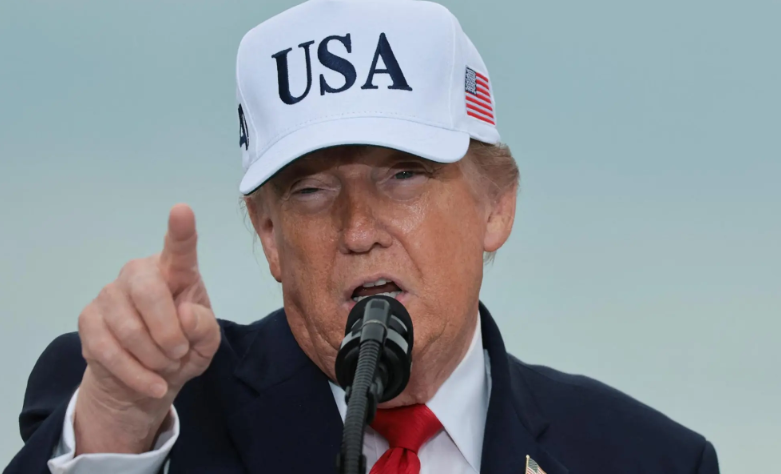
He suggested Tehran wanted regional governments and corporate leaders to press US President Donald Trump over the potential risks to economic and technology projects in the Gulf.
The US State Department and Iran’s Foreign Ministry did not immediately respond to requests for comment on the reported plans. Gulf governments also did not issue an immediate response.
Analysts say the Red Sea could represent a more significant target for disruptions to international data traffic, particularly if Iran received support from its Houthi allies in Yemen. However, Tehran has not publicly announced plans to target undersea cables in the Red Sea.
The waterway carries data between Europe, East Africa and Asia. According to TeleGeography, routes passing through the Red Sea account for around three per cent of global international bandwidth demand and approximately 10 per cent of traffic travelling between regions.
Any disruption along these routes could therefore affect international communications well beyond the Middle East.
Gulf countries have invested heavily in digital infrastructure, artificial intelligence and data centres as part of efforts to diversify their economies beyond oil and establish themselves as global technology hubs.
These investments have strengthened their commercial ties with major US technology companies but have also increased concerns about the security of critical infrastructure during regional conflicts.
Iranian strikes reportedly hit two Amazon Web Services facilities in the United Arab Emirates in March and damaged infrastructure near one of the company’s facilities in Bahrain. During the conflict, the IRGC also identified US technology companies, including Microsoft, Google, Apple and Nvidia, as potential targets.
To reduce the risk of disruption, Gulf governments and technology companies are investing in additional terrestrial and undersea connections that could provide alternative routes for data traffic.
Microsoft plans to invest more than $400 million in subsea and land-based connectivity across the Middle East by 2030, with an emphasis on improving infrastructure resilience.
The reported Iranian plans underscore how a renewed regional conflict could extend beyond conventional military targets to include the digital networks underpinning international communications, financial systems and the Gulf’s growing technology sector.