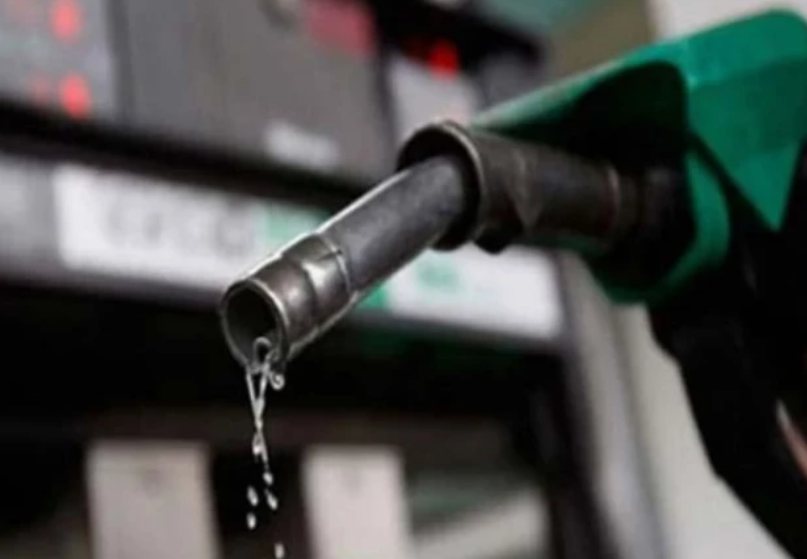
Petrol will be sold at Rs377.91 per litre, while high-speed diesel (HSD) will cost Rs399.82 per litre from Thursday, October 29, following the latest fuel price revision, according to a notification issued by the Petroleum Division.
The government continues to impose taxes and duties of Rs114 per litre on petrol and Rs100 per litre on diesel, adding to the financial burden on consumers.
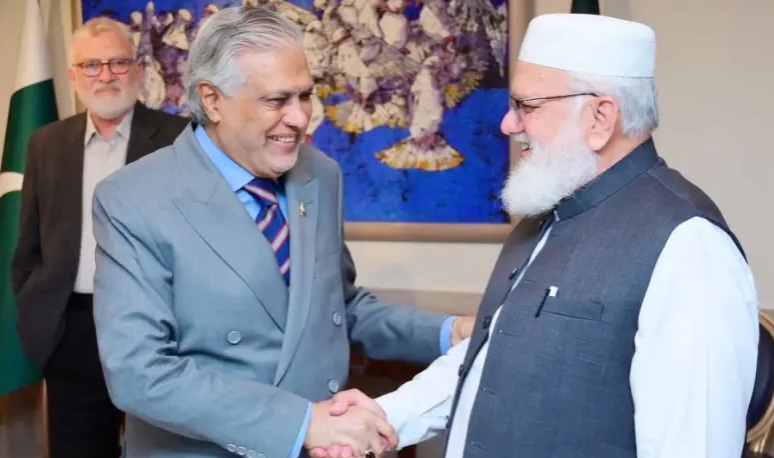
On Tuesday, Jamaat-i-Islami (JI) chief Hafiz Naeemur Rehman met Prime Minister Shehbaz Sharif in Islamabad to discuss his party’s demand for public relief through the abolition of the petroleum levy.
During the meeting, both sides agreed to establish a joint committee comprising government and JI representatives to explore ways to expand the existing fuel relief programme. The scheme, introduced for motorcycle and rickshaw owners as well as users of vehicles with engine capacities of up to 800cc, has been in place since September 17.
Rehman warned that JI would organise a protest march to Islamabad in mid-November if the government failed to announce substantial relief for the public before then.
Meanwhile, the Pakistan Petroleum Dealers Association urged consumers on Friday to avoid panic buying, cautioning that excessive purchases could disrupt normal market conditions.
Concerns over the availability of fuel were also raised in the Senate the same day. However, Minister of State for Finance and Revenue Bilal Azhar Kayani maintained that the country was not facing any supply problems.
Diesel prices have declined from a record Rs520.35 per litre, reached on April 3. The price had climbed from Rs281 per litre following the outbreak of the US-Iran war on February 28.
Petrol prices also hit a high of Rs458.41 per litre on April 3, after rising from Rs266 per litre during the first week of March.
In response to higher fuel costs amid the continuing conflict in the Middle East, the government has reinstated several austerity measures aimed at conserving energy. These include requiring markets to close by 9pm and reducing fuel allocations for official vehicles by 50 per cent for a period of three months.
On September 13, Prime Minister Shehbaz Sharif announced a relief programme for motorcycle users, rickshaw owners and motorists using vehicles with engine capacities of up to 800cc to ease the impact of rising international oil prices.
Earlier, on July 17, Petroleum Minister Ali Pervaiz Malik announced that fuel prices would be determined daily in response to international market fluctuations following renewed hostilities between Iran and the United States.
Before that decision, the government had been revising fuel prices weekly since early March while introducing conservation measures amid concerns about potential disruptions to oil supplies due to the Middle East conflict. Targeted fuel subsidies were also announced in April.
The petroleum minister said the federal cabinet and prime minister had assigned the Oil and Gas Regulatory Authority (Ogra) responsibility for determining fuel prices daily in line with international market movements.
Petrol is primarily consumed by private motorists, small vehicles, rickshaws and motorcycles. Consequently, price changes have a direct impact on middle- and lower-middle-income households.
Diesel price fluctuations also affect the wider economy because the fuel is extensively used in heavy transport, power plants and large generators.
Petrol and high-speed diesel remain the government’s major petroleum revenue sources, with monthly sales ranging from approximately 700,000 to 800,000 tonnes. In comparison, monthly demand for kerosene stands at around 10,000 tonnes.