GILGIT: Gilgit-Baltistan Chief Minister Amjad Hussain has warned that poor cellular and internet connectivity in the region is hampering tourism as well as relief and rescue operations during emergencies.
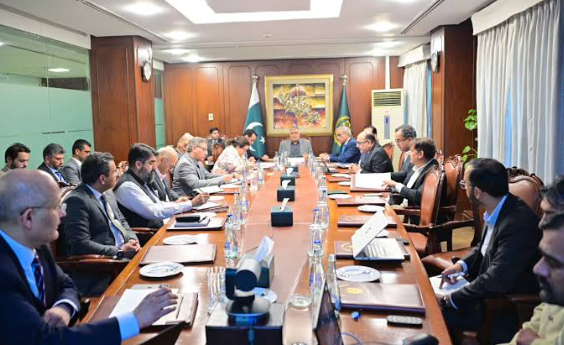
Addressing a meeting of the Senate Standing Committee on Cabinet Secretariat at the GB Assembly on Friday, the chief minister said reliable satellite connectivity was crucial for monitoring around 7,000 glaciers in the region and strengthening disaster preparedness.
He urged the Pakistan Telecommunication Authority (PTA) to take a more proactive role in improving and maintaining stable internet services in Gilgit-Baltistan. He said the Special Communications Organisation (SCO) was only a service provider and that the PTA, as the regulator, should fulfil its responsibilities.
Mr Hussain said fibre-optic connectivity was practical mainly in urban centres, while the mountainous terrain and difficult access in other parts of the region made it a limited option.
Citing the recent disaster in Nepal, the chief minister stressed that satellite connectivity was vital for monitoring glaciers and responding to natural disasters. He said effective emergency response required close coordination among all relevant institutions.
PTA Chairman retired Gen Hafeezur Rehman told the committee that, in line with Prime Minister Shehbaz Sharif’s directives, the authority was taking steps to improve internet services in GB.
He said the PTA would review the obstacles affecting connectivity in the region and take necessary measures to address them.
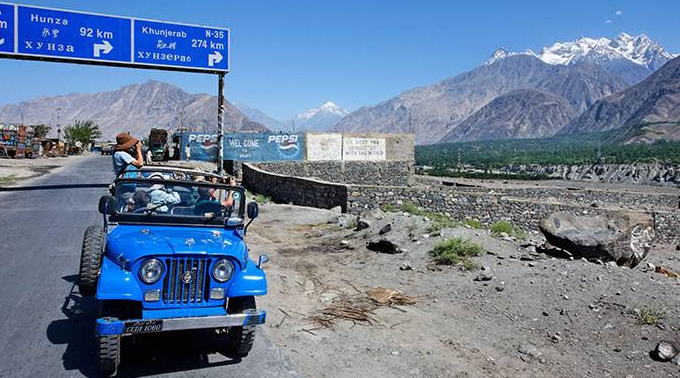
Senate committee chairman Senator Mahmood-ul-Hassan said Gilgit-Baltistan was among the world’s most scenic regions and attracted thousands of tourists every year, but inadequate internet speeds remained a serious concern.
He stressed that reliable and high-speed internet was essential for development in the modern era and called for improved digital services for the people of GB.
Senator Hassan said another meeting would be held in Gilgit with relevant government departments and private telecom operators to discuss measures to improve internet connectivity in the region.
Meanwhile, senior officials of the National Disaster Management Authority (NDMA) briefed the committee on disaster preparedness, early warning systems, rescue facilities and funds available in Gilgit-Baltistan.
The officials also informed the committee about damage caused by floods, landslides, avalanches and other natural disasters over the past five years, as well as compensation provided to victims and relief and rescue operations.
The committee chairman called for strengthening the NDMA’s role in responding to natural disasters in GB, noting that floods and other calamities had caused significant damage across the region.
He stressed the need to ensure timely assistance to communities affected by natural disasters.
Oil and Gas Regulatory Authority (Ogra) Chairman Nabeel Awan briefed the committee on the availability, transportation and storage of petroleum products and LPG in Gilgit-Baltistan.
He said the region had sufficient storage capacity to maintain petroleum reserves for around 20 to 30 days and also briefed the committee on oil storage facilities in Baltistan division.
Senator Aamir Waliuddin Chishti directed authorities to increase oil and LPG storage capacity in GB. He also asked Ogra officials to take up the matter with the federal petroleum ministry and work towards a permanent solution.
Special Technology Zones Authority (STZA) Chairman Azfar Manzoor briefed the committee through video link on technology-related matters concerning GB.
He said the authority had previously taken steps to establish a special technology zone in the region and was prepared to continue supporting the initiative.
The committee chairman observed that Gilgit-Baltistan was a tax-free region and said there should therefore be no major technical hurdles to establishing a special technology zone there.