The move represents another step in the Trump administration’s broader campaign to curb immigration to the United States.
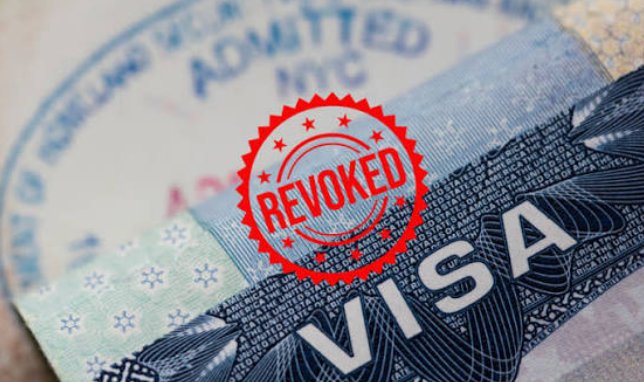
The administration said it was working with the Department of Homeland Security to identify and revoke visas held by people who entered the US as temporary visitors but later sought asylum to remain in the country permanently.
State Department spokesman Tommy Pigott said obtaining a visa with the intention of seeking asylum constituted fraud and could therefore provide grounds for revocation.
The White House said on X that the policy could affect up to 200,000 visas, describing it as the “largest mass visa revocation in history”. The State Department, however, did not confirm the figure.
Pigott said the number of visa revocations remained subject to change and would be carried out on a rolling basis.
Earlier this month, the State Department said around 175,000 foreign nationals had had their US visas revoked since President Donald Trump returned to office in January 2025. The reasons ranged from criminal offences, including driving under the influence, to publicly praising the killing of right-wing activist Charlie Kirk.
The administration has also revoked the visas of several Mexican officials, including the son of former Mexican president Andres Manuel Lopez Obrador, prompting criticism from current President Claudia Sheinbaum.
Trump campaigned heavily on reducing illegal immigration and has deported large numbers of people living in the US without valid immigration status. His administration has also tightened restrictions on legal immigration and taken action against people who overstay their visas.
Several of these measures have faced legal challenges and been limited by courts.
Last Friday, a federal judge blocked a government policy restricting visas for nationals of 75 countries seeking to settle permanently in the US. The affected countries included Afghanistan, Brazil, Egypt, Iran, Iraq, Nigeria, Somalia, Thailand and Yemen.
The administration is also preparing to expand scrutiny of visa applicants’ social media accounts.
“We are making clear that a visa is a privilege — not a right,” Pigott said.